It’s 6:45 a.m. The line is down for end-of-shift cleaning. The operator directs a high-pressure water jet onto the conveyor, moving the lance from left to right, then shuts off the valve.
On the surface: clean.
In reality: the frame beneath the belt has three enclosed corners where water never reaches. Organic residue builds up there, day after day.
This is not a cleaning issue. It’s a machine design issue. And the difference between a line that passes a hygiene audit and one that barely gets through – every single time – comes down to this.
Washdown: effective on paper, limited in practice
Washdown – high-pressure cleaning with water and detergents – is the most common response to contamination risks in food processing lines.
It’s relatively inexpensive to implement and provides an immediate sense of control.
The problem is that it only works if the machine has been designed to be cleaned. If the frame has enclosed cavities, if chain returns are inaccessible, if joints retain moisture, the water jet doesn’t solve the issue. It just relocates it. The result is increasing consumption of water and chemicals, longer downtime, and a real risk of cross-contamination. Meanwhile, the quality manager signs off on sanitation reports that, in practice, cannot be fully guaranteed.
Hygienic Design eliminates the problem at the source
Hygienic Design, when applied to machinery, is a design approach that starts with a specific question: how can this machine be thoroughly cleaned, under real operating conditions, with the available personnel, in the shortest possible time?
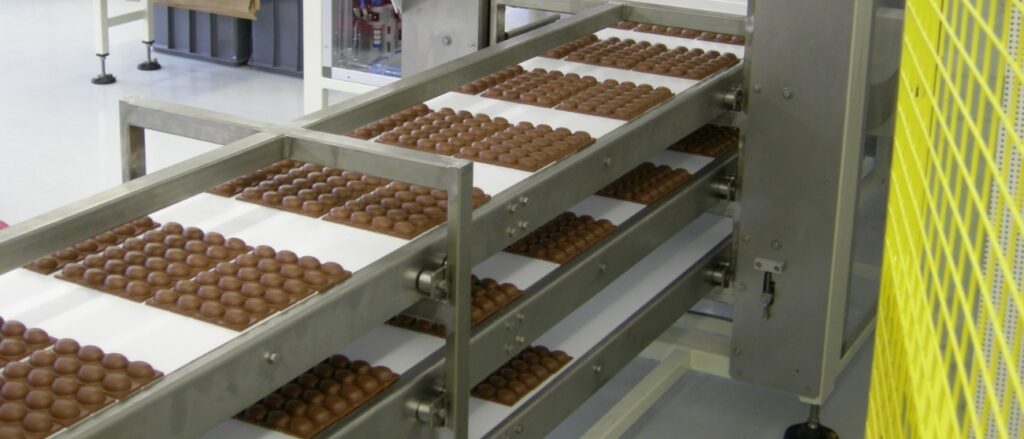
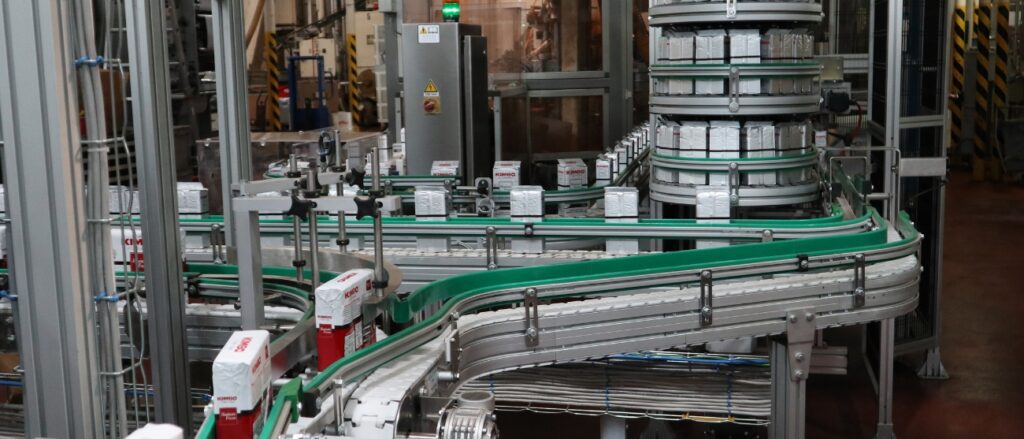
A conveyor built with this logic features open-frame construction, sloped surfaces for effective drainage, tool-less disassembly, food-grade certified chains, and materials resistant to aggressive cleaning agents.
It’s not “washable” because someone claims it is – it’s washable because there are no areas where residue can accumulate.
From an operational standpoint, the impact is significant: sanitation downtime is reduced, water and chemical usage decreases, and contamination risk is minimized. Hygiene audits become a natural outcome of the design – not a recurring uncertainty.
Not every line carries the same risks – that’s why choosing the right approach matters
In practice, the choice between a Hygienic Design approach and a Washdown system depends on where the conveyor is positioned within the line and the type of product it handles.
For unpackaged products – fresh food, meat, dairy, bakery – the contamination risk is extremely high. Here, Hygienic Design is the minimum requirement.
Monolithic belts with no internal fabric, such as the SaniBelt line we design at MH, are specifically developed for this purpose. They have no exposed textile surfaces that can retain residue and can be cleaned in just a few minutes.
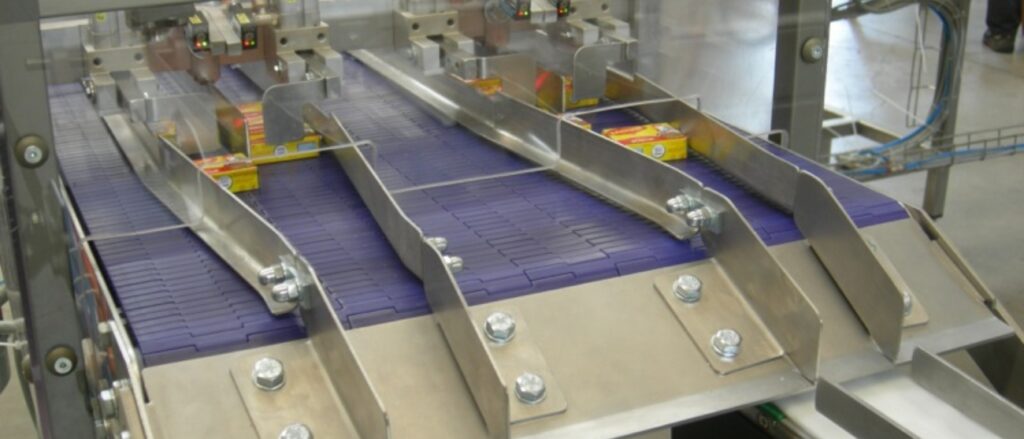
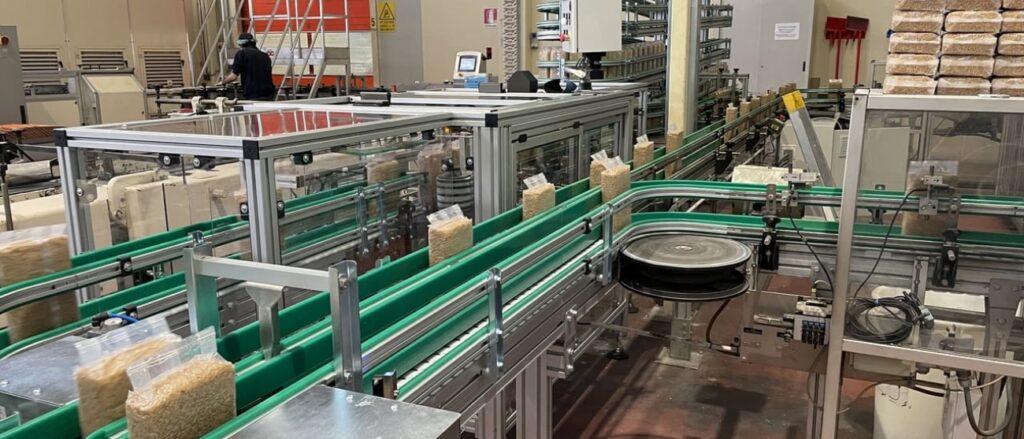
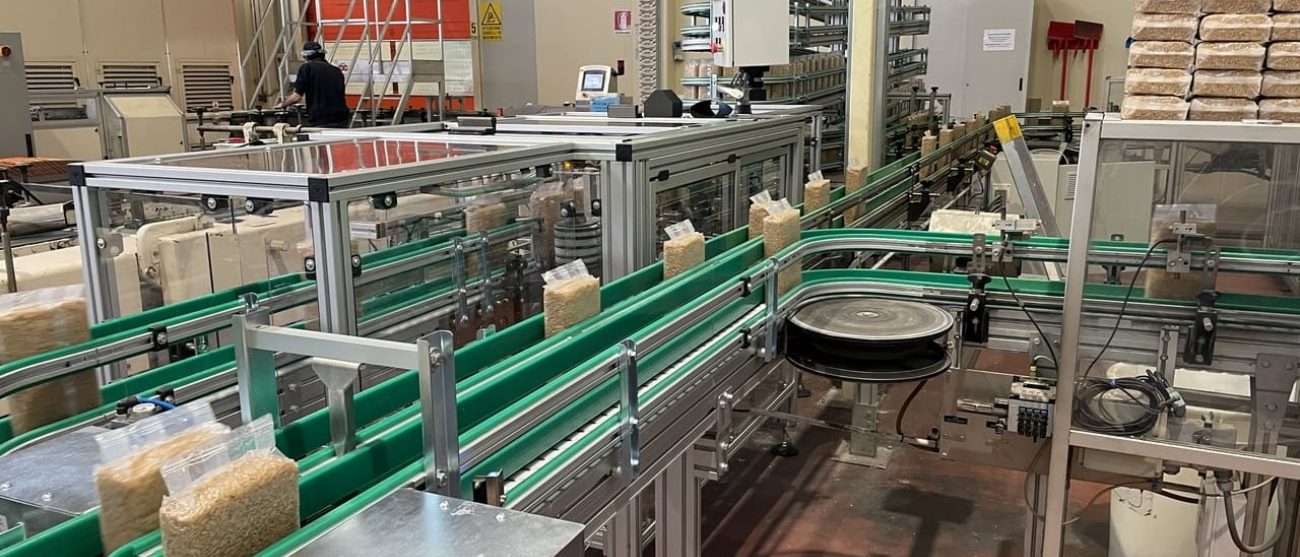
When handling packaged products, still within a white area, requirements change. A washdown design can be sufficient, provided stainless steel construction is maintained and flat surfaces and enclosed cavities are avoided. In this case, tool-less belt removal for cleaning is no longer essential. Moving into grey areas, hygiene requirements can be relaxed further, with greater emphasis on robustness and throughput. Depending on the environment, you may still opt for stainless steel frames – for example, where floors are regularly washed with water – or choose anodized aluminum structures where this is not required.
3 practical steps to quickly identify critical points in your line
Before deciding whether to upgrade a single conveyor or redesign an entire section, you need a simple method to identify where the real issues lie.
Here are three key aspects to assess your current situation:
The first step is to map the line by hygiene risk level
Open product, packaged product, and transition zones. For each area, define the conveyor type and the current cleaning regime.
The second step is to inspect critical design points
Enclosed frame corners, cavities beneath chain returns, joints between modules, and moisture-prone areas. If you can’t reach a spot with a cloth, water won’t clean it effectively either.
The third step is to measure actual sanitation time
If it exceeds 20 minutes per conveyor in high-risk areas, you have a design problem. And remember: no stricter cleaning procedure can compensate for a design flaw.
A layout is designed once -but it’s lived with every day
The issue is that most companies address hygiene only when the problem is already visible: a difficult audit, a product recall, or uncontrolled sanitation costs. At that point, the room for action is limited.
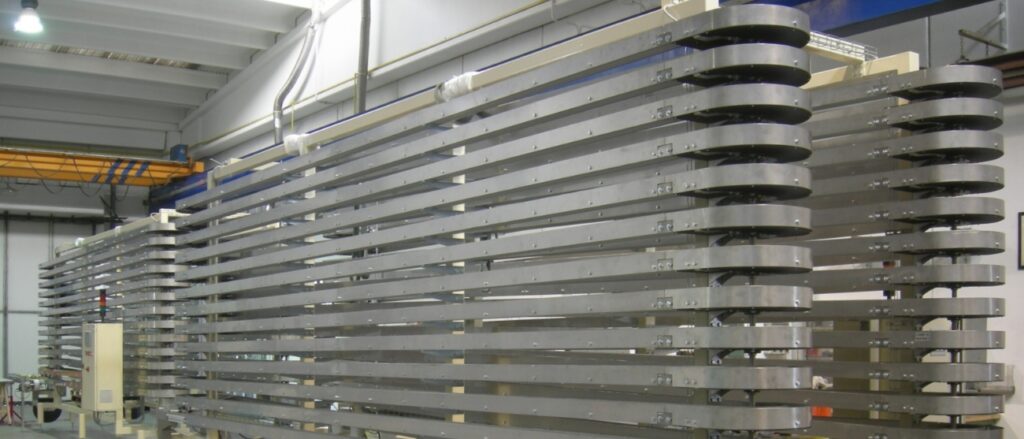
At MH Material Handling, we have been designing conveying systems based on these principles for over forty years. From the Saniflex belt for high-risk areas to the BAT system with USC chain for high-speed lines, every solution starts from a real analysis of the customer’s operating conditions – not from a standard catalog. If your sanitation times are too long, if hygiene audits are always uncertain, or if you are designing a new line, get in touch. We can analyze your processes together and identify the most effective solutions to protect product safety and reduce operating costs.

Co-Owner M.H. Material Handling Spa – For almost twenty years he has been working in the field of product handling during packaging, supporting companies that want to optimize the entire line. Always up-to-date on industry innovations and new materials, he makes his experience available to clients with the ultimate goal of eliminating interruptions and inefficiencies in the packaging process. Voracious reader, overnight writer and content creator.