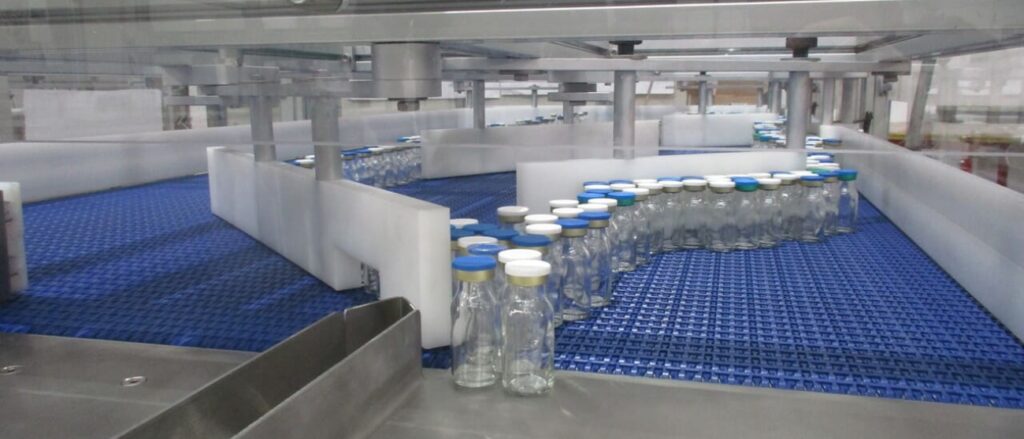
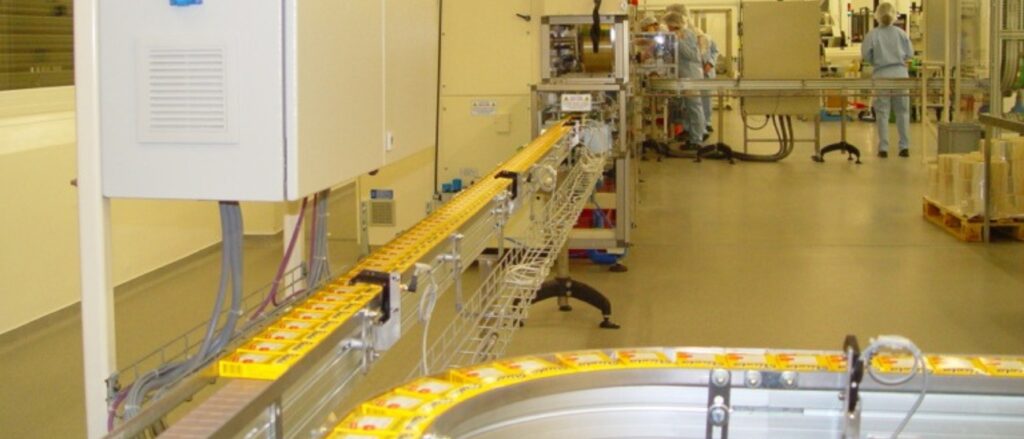
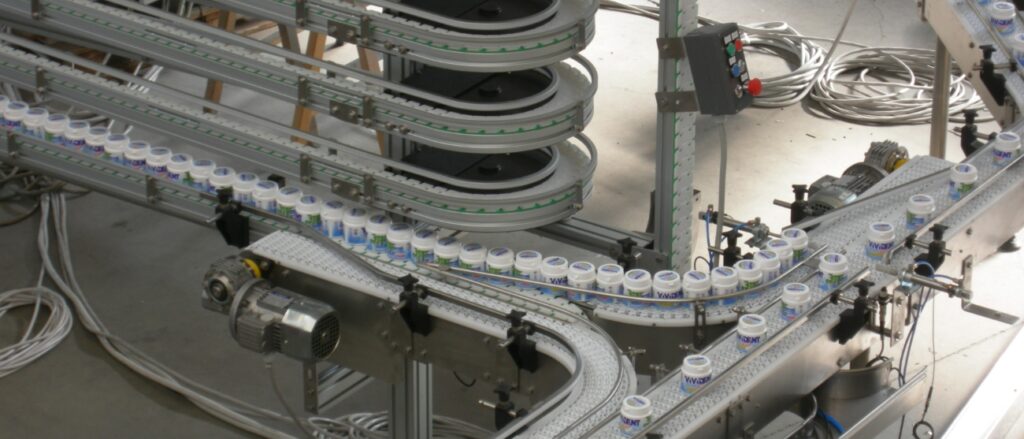
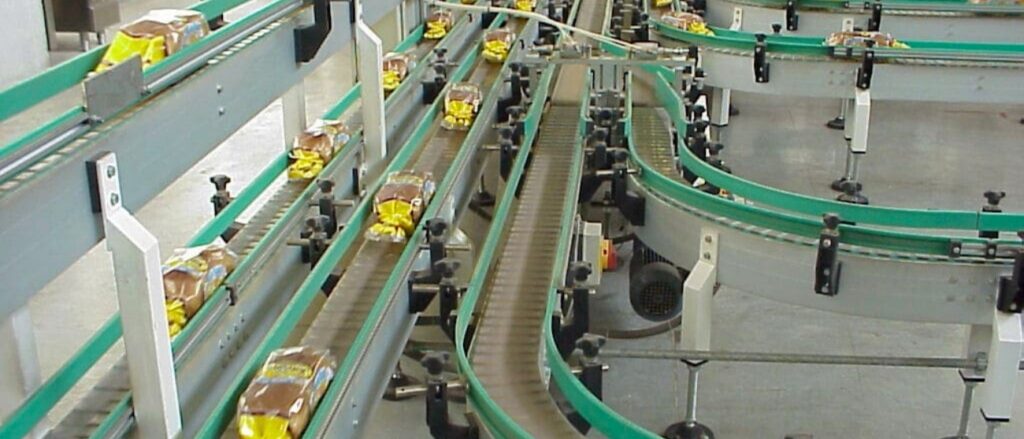
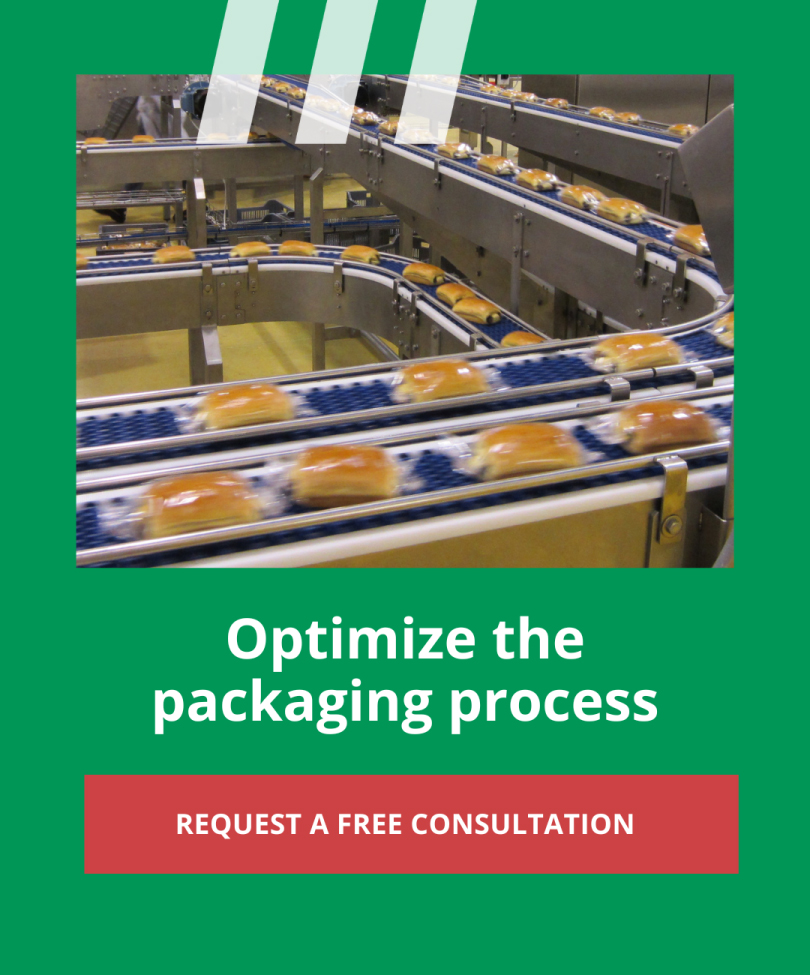
When it comes to “Hygienic Design”, many people immediately think of stainless-steel equipment, free of gaps and easy to wash down.
This is a correct image — but only a partial one.
The reality is that Hygienic Design does not start — and does not end — with the equipment.
It is a structured approach that takes shape much earlier, beginning with how the facility is conceived, built, and organized.
Only by considering the entire production ecosystem — from building structures and material flows to raw material handling and personnel procedures — can safety, efficiency, and sustainability be truly ensured.
Machines come later: their role is to protect and preserve what has been designed upstream, not to compensate for shortcomings at earlier stages.
The facility as the first link in the chain
Every Hygienic Design project therefore starts with the building layout.
Its location in relation to the external environment, the distance from potential sources of contamination, floor slopes designed to promote proper drainage, and thermal insulation all directly affect the ability to maintain hygienic conditions.
Selections of materials is equally critical: walls and surfaces must be easy to clean and durable over time
If a facility is not designed with these principles in mind from the outset, the cost will be significant: more washdowns, higher water and chemical consumption, and increased operating costs.
This is not a problem that can be solved with a high-quality machine alone, but with couscous design decisions made from the very beginning.
People, raw materials, and products: the flows that make the difference
The second level focuses on internal movements.
Ingredients, semi-finished products, and personnel must not share high-risk pathways. Any overlap increases the likelihood of cross-contamination.
For this reason, more advanced manufacturers implement a hygienic segregation of production areas, physically separating high-risk zones from low-risk ones and enforcing strict procedures: garment changes, controlled access points, and physical barriers. This approach, commonly referred to as hygienic zoning, is one of the most effective tools for reducing contamination risks within food processing facilities.
Machines are the protagonists, but procedures are the script
Only at this stage does the focus shift to machinery. Their role is not to “create hygiene,” but to preserve the hygienic conditions established upstream.
Features such as cleanable surfaces, open-frame designs, tool-free removable components, and food-grade certified materials are not optional details — they are essential requirements. A single poorly designed critical point is enough to turn a machine into a source of risk.
The cost of a mistake can be substantial: Commercial Food Sanitation estimates that a product recall caused by contamination costs, on average, €1.67 million in operational losses and reputational damage.
This is why Hygienic Design is not a technical detail, but a strategic investment.
We don’t sell machines — we design safety
At MH Material Handling, we believe that Hygienic Design is not something to be applied downstream, but a philosophy that must guide every decision throughout the entire process. This is why, although we specialize in the design of conveyor systems such as Saniflex, we do not limit ourselves to supplying a machine.
Our consulting approach always starts with a comprehensive analysis of the plant: we assess layout, material and personnel flows, sanitation practices, and production requirements in order to integrate the conveying solution into a context that is truly coherent, safe, and efficient.
Saniflex is not an off-the-shelf product, but a modular and customizable system, engineered to simplify cleaning, withstand aggressive detergents, and ensure operational continuity.
What truly makes it effective, however, is its ability to fit into a broader approach in which every design choice contributes to reducing risks, costs, and operational complexity.
Would you like to understand whether your line truly complies with Hygienic Design principles — and how Saniflex can enhance it to the fullest?
Contact us for a tailored consultation: together we will analyze your processes and identify the most effective solutions to protect product safety and strengthen your business competitiveness.

Co-Owner M.H. Material Handling Spa – For almost twenty years he has been working in the field of product handling during packaging, supporting companies that want to optimize the entire line. Always up-to-date on industry innovations and new materials, he makes his experience available to clients with the ultimate goal of eliminating interruptions and inefficiencies in the packaging process. Voracious reader, overnight writer and content creator.